Labels

Poetry Jesus Short Stories Projects
Showing posts with label Short Stories. Show all posts

Nursing Homes


The adults shunted the old man into a corner with a rocking chair and lukewarm cocoa, little Maryanne deposited on his knee. His crumbling lips hardly made a sound, croaked syllables wobbling on the tip of his tongue and tumbling to the carpet. Maryanne said he sounded like God sneezing, accidentally erupting frogs, and the adults blushed and her aunt sent her to her room for blaspheme, but the old man didn't mind. His hands told his stories, gleaming with candlelight, broken like his horses, thin veins and tendons sticking rod straight over his bones, bulging against his skin. He reached out over Maryanne's head and spun cobwebs around sleeping beauty’s castle, set winged demons loose on the rooftop, floated a tiara down on a princess’s head, sparked sunlight in an airless cave. Maryanne spoke his language, and that was all the mattered to either of them.
Aunt drew her pointer finger over the lip of her glass of orange juice, making it hum. “I think we need to talk about a home.”
“Oh, Marsha,” Uncle said, sticking his fork into a fat sausage. “He’s no trouble.”
“He’s shriveling away over there, it’s horrible to watch.”
“He’s your father, Marsha.”
“Hmph.”
This was their breakfast conversation, and Maryanne and the old man had stopped listening exactly four years and two months and one day and three hours ago, which was the moment Maryanne was born.
Today the old man fluttered his fingertips at Maryanne’s cheek, and she laughed and clasped his hands. I love you, I love you, his hands said.
“To the moon and back,” she whispered.  
But five years, six months, seventeen days, and three hours after Maryanne was born, the adults’ hands started talking too. Their hands were tapping at their kneecaps under the table at breakfast, and later sliding under papers and boxes and envelopes as if afraid of being listened to. Aunt kept checking the door because she thought she heard someone knock, and Uncle slunk into his study and locked the door.
“This is my favorite painting,” Aunt said to the old man as she tucked it into a box along with tissue boxes and a roll of toilet paper. She jumped and glanced at the door, then tittered nervously. “Silly me. They wouldn’t be here yet. Oh, don’t look at me like that, dad, it’s best for everyone, especially you.”
Five years, six months, seventeen days, and nine hours after Maryanne was born, the old man’s hands were saying nothing but goodbye.

Crocodiles Don't Have Hair

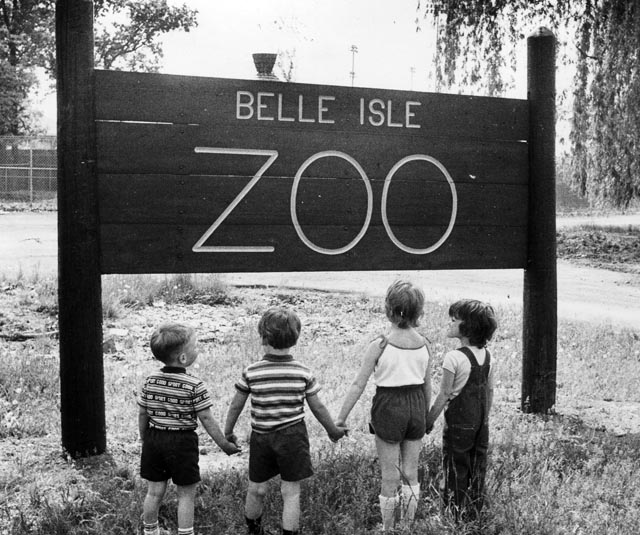
The zoo smelled hairy. Lacey smelled camel hair and lion hair and zebra hair and giraffe hair and bear hair and monkey hair, and she was sick of it. “I’m going to cut off all my hair,” she declared.
Shh,” her mother said. That is adult for “How would you look without hair?”
“I’ll be bald like Uncle Mark. My head will be shiny. We’ll throw away all my brushes and buy a hundred hats.”
“Shhh.” That is adult for, “I’ll buy a pair of scissors from Acme on the way home, darling.”
Her mother cooed over a ring-tailed lemur that also smelled like hair. He shimmied from plastic branch to plastic branch, shaking its fur all over. Lacey sneezed on a zoo map. “Excuse me,” she said politely. Then on the map she saw a picture of a crocodile. Crocodiles don’t have hair.
“Let’s go see the crocodiles!” Lacey shouted.
Many other mothers looked at Lacey, and one nasty boy stuck out his tongue at her. She stuck her tongue out back, because the boy’s mother wasn’t paying attention enough to do it herself.
“Behave yourself!” Lacey’s mother put her hand on her hip. That is adult for, “Or else!
Lacey followed her mother past all sorts of hairy mammals until they finally came to the crocodiles. The crocodiles were swimming in a pond that ran under a wood bridge. They were green-gray and yellow with gold eyes and toothy jaws that twisted like smiles. They had no hair, because crocodiles don’t have hair.
But Lacey could still smell hair even though smiling hairless crocodiles were swimming beneath her. They were too far away. They were bored, floating like logs. They would be exactly like logs if logs had teeth. They wanted company.
She jumped in.
Lacey!” her mother shouted, which is adult for “You’re going to get wet!”
Floating bits of grass tickled her nose and elbows, and she sneezed and paddled and swallowed slimy mouthfuls of water. She hadn’t exactly learned how to swim yet.
The crocodiles stared at her.
“Hello,” Lacey said, remembering her best manners. But it is difficult to be ladylike when your hair is dripping in your eyes and you have water in your mouth. “Could you take me to shore?”
The biggest crocodile yawned and said, “Well. It isn’t quite a shore, because this is only a pond.” His voice was so low it shook her chest.
“Oh,” Lacey said. “Could you take me to the shore that isn’t quite a shore?”
The Crocodile nodded, and she climbed onto his back. His scales were very warm with sunshine and slick with green pond scum.
Lacey!” Lacey’s mother cried again. That is adult for, “Your underwear is showing! Pull down your skirt!” Lacey pulled down her skirt until it was quite modest.
The Crocodile stopped at the shore that wasn’t quite a shore, and Lacey tumbled off into the mud. She sat up quickly and wiped the mud from her cheeks. But then the mud was on her hands, and she must never ever wipe her hands on her dress, so she leaned over and wiped them very gently on the Crocodile’s scales.
“Well. Why are you here? Don’t you know we could eat you?” the Crocodile asked. If he had eyebrows he would have raised them, but he couldn't have eyebrows, because crocodiles don't have hair.
“You don’t have hair,” Lacey said.
The Crocodile nodded. “I understand. Hair smells very prickly on hot days. Well. You can’t stay here. You do have hair.”
Lacey reached up to her ponytail. “I could go bald.”
“But it would grow back,” the Crocodile said.
“Oh.”
“It’s very nice, despite it being hair,” the Crocodile said politely.
“Thank you,” Lacey said, scrambling to her feet and curtsying like a princess, because it seemed the only proper thing to do to a crocodile compliment. Before she walked away she asked, “Why didn’t you eat me? Now that I think about it, you might have been hungry.”
“I’m on a diet,” the Crocodile said gravely.
Lacey nodded. She walked all the way to the fence where a zookeeper was just coming, and he opened the gate for her.
When she stepped onto the bridge, her mother screamed, “Lacey!” Which is adult for, “You’re sopping wet!”
“I’m sorry,” Lacey said. “We’ll have to find a towel.”
As they drove home, Lacey reached forward and tapped her mother on her shoulder. “You don’t have to stop at Acme for scissors anymore. My hair would just grow back. Besides, it’s pretty nice, even if it is hair.”

The Bench


The bench was unimportant to itself, really, it was the people who passed over that mattered. A rosy cheeked daughter clutching a purple balloon in her left hand and gripping a chocolate ice cream cone in her right, grinning up at her father to make sure she has him, too. A homeless man with a frayed beard sleeping with a fake newspaper from August 15, 1945 over his face. A gangster with pants three sizes two big and boxers three times too bright sitting quietly, looking lost as he watches the city jostle and spin. The bench loved all its people, even the ones who stuck gray gum under its corners, and even the pigeons who pecked at the crumbs left on its lap and left lumpy white smears behind. But that, after all, was the way of the bench.

The Cathedral's Lady


A young woman washed the gargoyles' faces with dish soap and hot water and sometimes a squeeze of lemon to bleach the sunspots from their eyeballs. She crawled from spire to spire, a bucket sloshing at her elbow, toes curled inside cracks in the stone, for she preferred braving the walls to walking claustrophobic staircases indoors. 
She had many visitors, all boys with armfuls of roses. She plucked the petals and laid them at the gargoyles' feet, but kissed no one. 
Soon streaks of silver were strung from her scalp, and butterfly prints brushed the corners of her eyes and mouth. The boys became men who lost hope and never came again, and she became the old woman who washed the gargoyles' faces.

Flash Fiction


      I am twelve years old and I am full of sky. I can taste it in mama’s mashed potatoes, in a glass of sweet tea, in a quick lick of brown sugar, something so wild and blue and spicy that it stands on my tongue even after I’ve swallowed. I can smell it on the walls of our house, every brick tingling my nose and scaring up the  hair on the backs of my hands. Molly didn’t even know hands had hair, when I told her she couldn’t stop laughing at her hands, didn’t look at mine with trembling fingers and electrified hair follicles. When I stand outside I can smell taste feel hear see the sky and that’s when I know deep in my soul that sky is what I’m made of. I hold tight to the grass so it can never take me back, and when I sleep, I tie my wrists to my heaviest books just in case my ceiling isn’t strong enough to keep me in. But I know if the sky wants to swallow somebody, it could swallow the whole world to get to her.

     The adults shunted the old man into a corner with a rocking chair and lukewarm cocoa, little Maryanne deposited on his knee. His crumbling lips hardly made a sound, croaked syllables wobbling on the tip of his tongue and tumbling to the carpet. Maryanne said he sounded like God sneezing, accidentally erupting frogs, and the adults blushed and her mother sent her to her room, but the old man didn't mind. His hands told his stories, gleaming with candlelight, broken like his horses, thin veins and tendons sticking rod straight over his bones, bulging against his skin. He reached out over Maryanne's head and spun cobwebs around sleeping beauty’s castle, set winged demons loose on the rooftop, floated a tiara down on a princess’s head, sparked sunlight in an airless cave. The adults were embarrassed for him because they thought he was obsolete, but Maryanne knew his power.